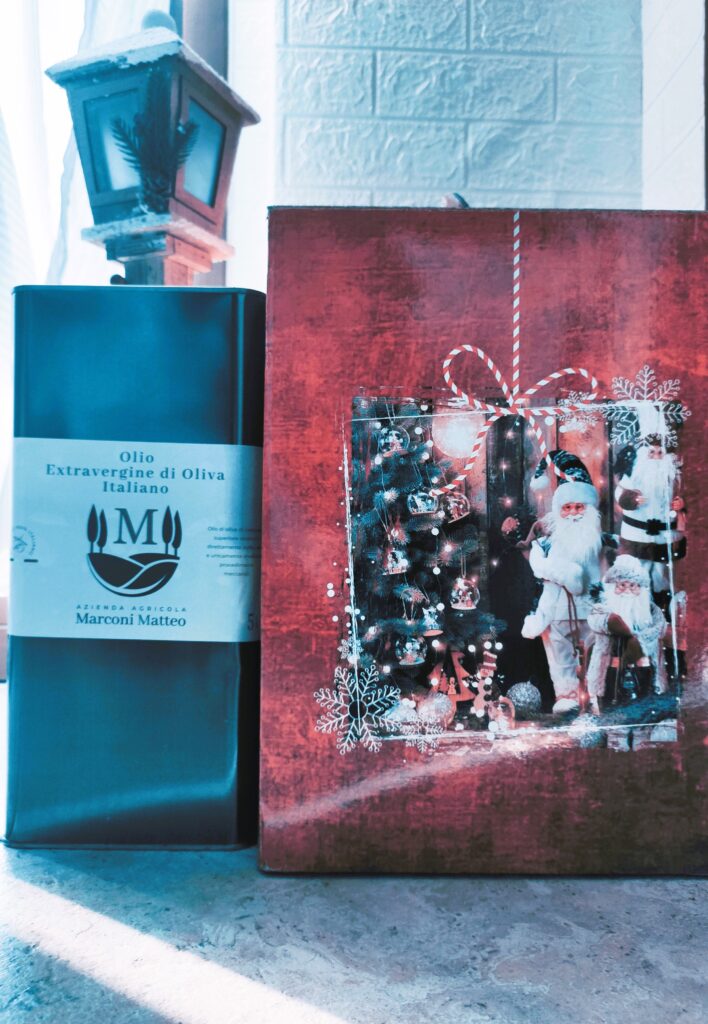

The Pisan Hills draw the gentle territory between Pisa, Pontedera, Livorno and Volterra. They are the typical Tuscan landscape made up of olive groves, vineyards, woods and small villages and their history is very ancient: in fact, it has its roots in remote geological eras and in millennial populations.
How and when were the Pisan Hills formed?
From a geological point of view, the Pisan Hills belong to the Tuscan Anti-Apennines. These are very ancient reliefs that were formed before the Pliocene, so over 5 million years ago.
⛰️The rocks that emerge in this area tell a story linked to the movements of the earth’s crust that have raised and shaped these reliefs over the geological eras.
How high are the Pisan Hills?
The Pisan Hills are modest reliefs. Most of the hills oscillate between 200 and 500 meters, like the hills my land stands on.
The vegetation on the Pisan Hills
🌳Olive trees are the symbol of this landscape, but the vegetation is rich, thanks to the differences in exposure and micro-climate.
Lower Hills
- Vineyards (they are very widespread)
- Orchards and traditional crops
On the hill slopes
- Holm oak woodlands, typical of the Mediterranean climate
- Mediterranean scrub with:
- broom
- rosemary
- Other aromatic plants
In the highest areas
- Chestnut groves
- Oak groves
- Maritime pine forests
Were the Pisan Hills inhabited by ancient peoples?
The area of the Pisan Hills has been inhabited since ancient times, in particular by the Etruscan people, who permanently colonized these areas before the arrival of the Romans.🏺
Subsequently, in medieval times, the territory had an important administrative role and, in particular, Lari was the seat of the Capitania of the Republic of Pisa and then of the Vicariate of the Hills under Florence.
Which municipalities are located in the Pisan Hills?
The Pisan Hills extend over several municipalities:
- Fauglia
- Crespina Lorenzana
- Casciana Terme Lari, where our olive groves and company reside
- Chianni
- Capannoli
- Castellina Marittima
- Lajatico
- Orcian Pisan
- Palaia
- Peccioli
- Riparbella
- Santaluce
- Terricciola
- Pontedera and Ponsacco partially
A living cultural landscape
As you can imagine, in addition to nature, the Pisan Hills preserve:
- Medieval villages
- Romanesque parish churches
- Monuments
- Oil Mills
- Mills
- Nature trails
- Typical restaurants
- Wine cellars
The Pisan Hills are an ancient landscape, shaped by millennial processes, also by man and his centuries-old cultural traditions.
What can I say: in addition to coming and visiting me and my oil, these lands are also worth visiting for many other good reasons.

Claudia Zucca
Web Content Creator💡
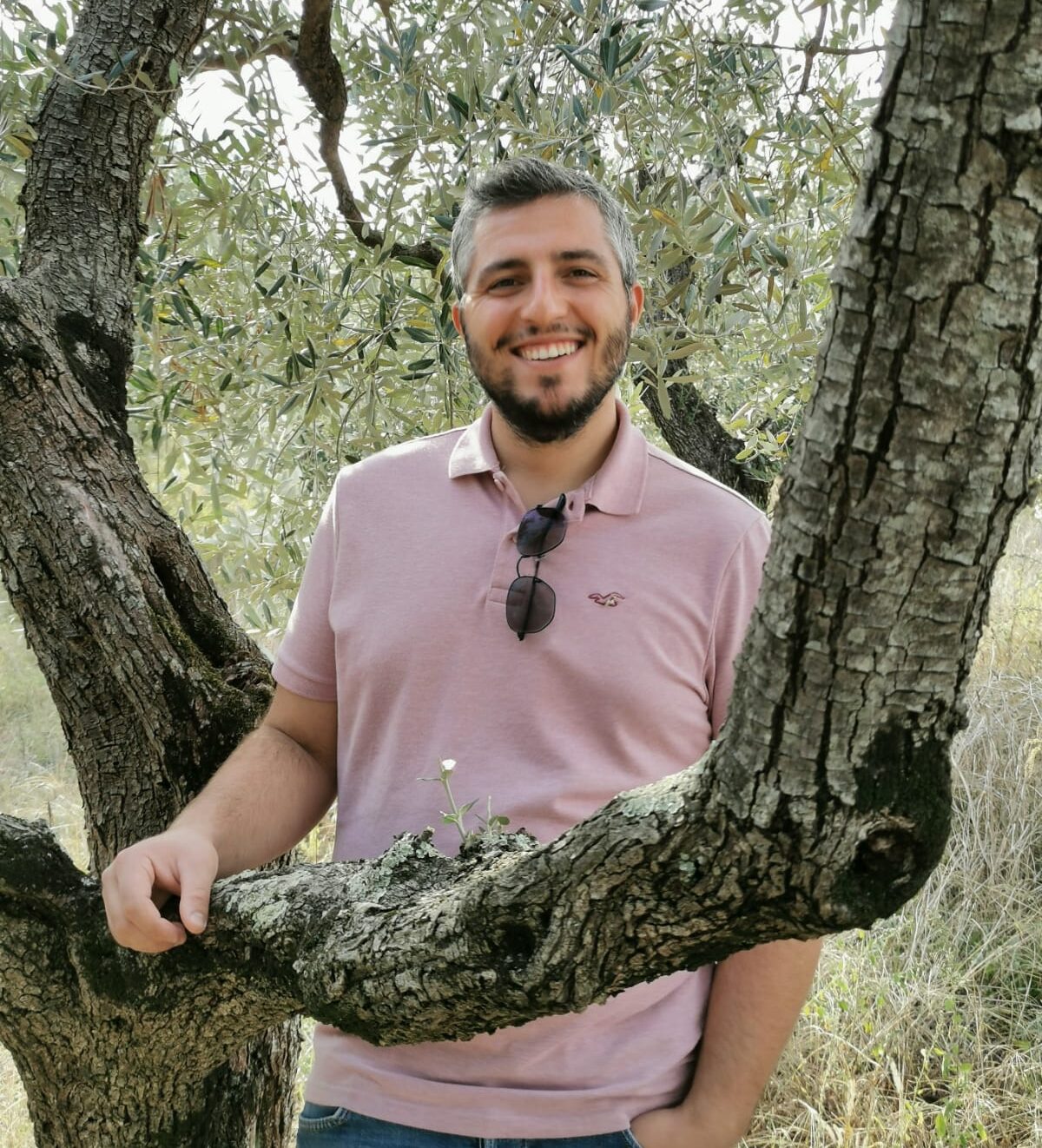
Sono Matteo Marconi, la mia è una famiglia di agricoltori. Sono cresciuto in azienda agricola e ho messo radici sempre più profonde in questo mondo fatto di cura e rispetto per la natura fin dall’adolescenza, iniziando a seguire le orme di mio padre con i primi lavori in campagna.
La mia giornata? Sveglia già all’alba a sfalciare l’erba tra i mie ulivi con un attento controllo delle piante che tratto con Spintor Fly, un insetticida biologico.
La fase più faticosa dell’anno ma anche la più attesa è la raccolta delle olive, in autunno, per ottenere l’olio extra vergine d’oliva di qualità superiore che produco e imbottiglio. In base al periodo dell’anno, mi occupo anche del fieno per i miei animali.
Sono giovane, ma grandemente coinvolto nelle attività dell’azienda di famiglia e il nome dell’olio che produco con tanta passione (e orgoglio) ne è chiara dimostrazione: Azienda Agricola Marconi Matteo. Nel logo c’è solo la lettera M, l’iniziale del mio nome e cognome, non per manie di protagonismo, ma perché ci metto davvero tutto Me stesso.