
The Italian tradition of preparing sweets such as zeppole and other desserts for Father’s Day stems from ancient peasant customs linked to the end of winter. In many Italian regions, March 19th was and continues to be a time of popular celebration, with bonfires, banquets and fried sweets to celebrate the return of spring and even St. Joseph.
St. Joseph is traditionally a symbol of humility, work, protection of the family: hence the idea of celebrating fathers with a day dedicated to them.
Popular origins of Father’s Day
March 19th, beyond the religious holiday, was also a peasant festival that marked the end of winter.
Between bonfires, peasant festivals and fried sweets
🔥In many areas of Italy, bonfires of St. Joseph were lit, rites of purification and passage to spring.
During these festivals, simple, cheap and caloric desserts were prepared, often fried in oil: a way to share food at a time of the year when supplies were scarce, so after the winter – and fried food was a small luxury.
This tradition also had a superstitious/propitiatory value, that is, to recall a period of abundance.
This is how fritters and zeppole have become the symbols of this festival, a symbol of conviviality and popular tradition.
Why fried desserts?
🍩Fried desserts are typical of popular festivals for several reasons:
- Simple ingredients: flour, water, oil + honey, egg cream, sugar or fruit – e.g. apples and raisins to sweeten
- Quick preparation for large quantities and therefore perfect for village festivals.
Typical Father’s Day sweets in Italy
- In Campania, this anniversary is celebrated to the sound of Zeppole di San Giuseppe: fried or baked, with custard and black cherry.
- In Sicily we delight ourselves with the sfinci di San Giuseppe: soft and rich fritters, often with ricotta.
- In Rome, St. Joseph’s Cream Puffs, fried and filled with cream, are incredible.
St. Joseph’s rice fritters
And in Tuscany? Here there is a super variant: the Rice Fritters, to be enjoyed in a lively atmosphere around a bonfire in the square for Father’s Day – in this region we more frequently call Father as “babbo”.
The recipe is not very simple but not so elaborate. Well, for this March 19 th … everyone in the kitchen can follow the steps described in Sonia Peronaci’s blog.
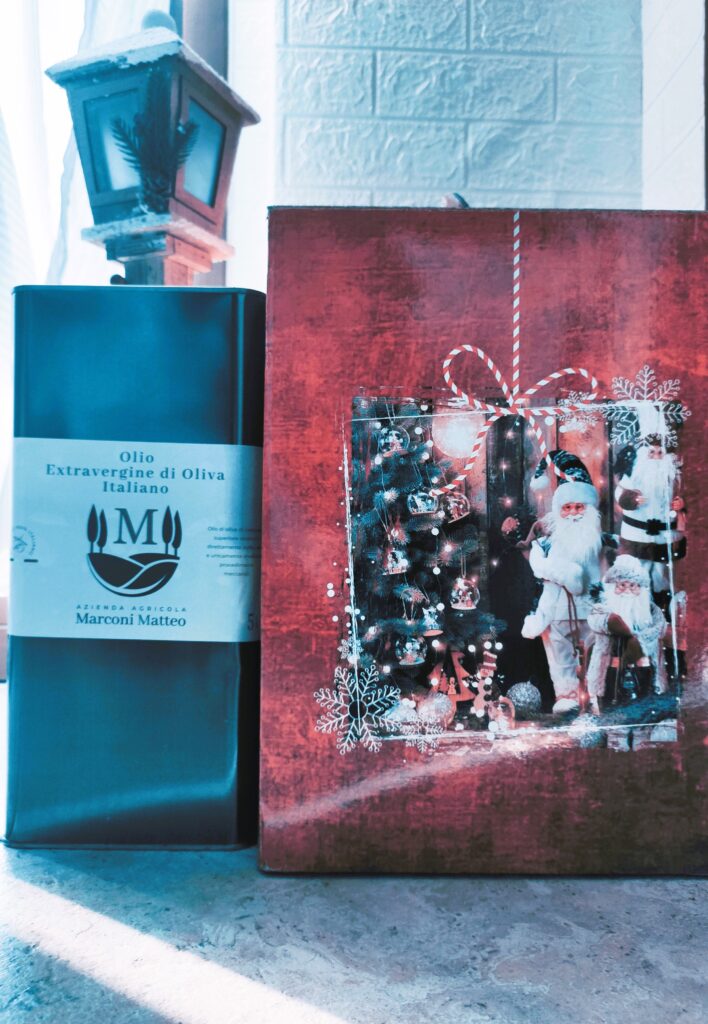
Obviously, you must fry this sweet food with extra virgin olive oil, like the superior quality extra virgin olive oil of our company.

Claudia Zucca
💡Web Content Creator
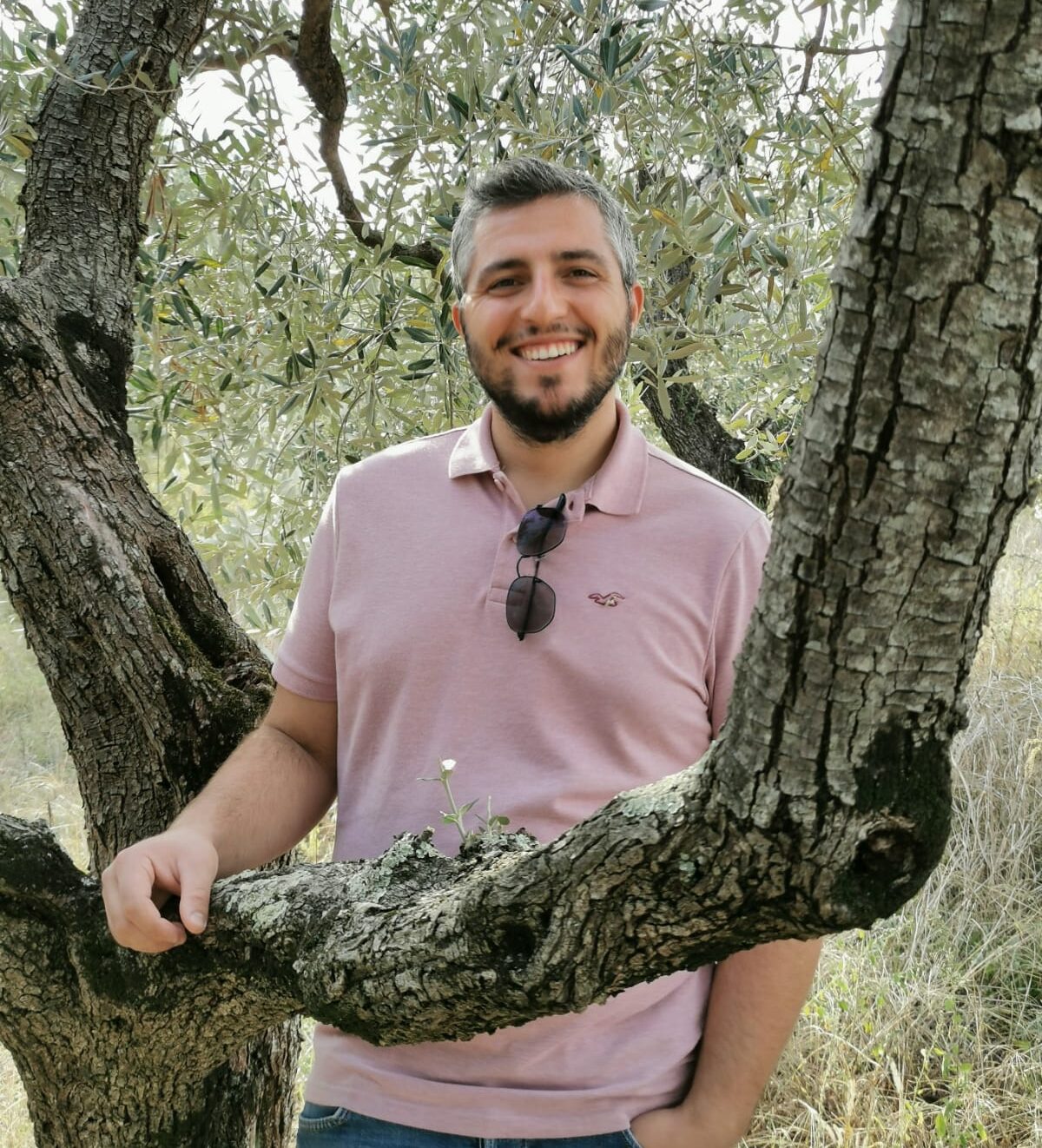
Sono Matteo Marconi, la mia è una famiglia di agricoltori. Sono cresciuto in azienda agricola e ho messo radici sempre più profonde in questo mondo fatto di cura e rispetto per la natura fin dall’adolescenza, iniziando a seguire le orme di mio padre con i primi lavori in campagna.
La mia giornata? Sveglia già all’alba a sfalciare l’erba tra i mie ulivi con un attento controllo delle piante che tratto con Spintor Fly, un insetticida biologico.
La fase più faticosa dell’anno ma anche la più attesa è la raccolta delle olive, in autunno, per ottenere l’olio extra vergine d’oliva di qualità superiore che produco e imbottiglio. In base al periodo dell’anno, mi occupo anche del fieno per i miei animali.
Sono giovane, ma grandemente coinvolto nelle attività dell’azienda di famiglia e il nome dell’olio che produco con tanta passione (e orgoglio) ne è chiara dimostrazione: Azienda Agricola Marconi Matteo. Nel logo c’è solo la lettera M, l’iniziale del mio nome e cognome, non per manie di protagonismo, ma perché ci metto davvero tutto Me stesso.